
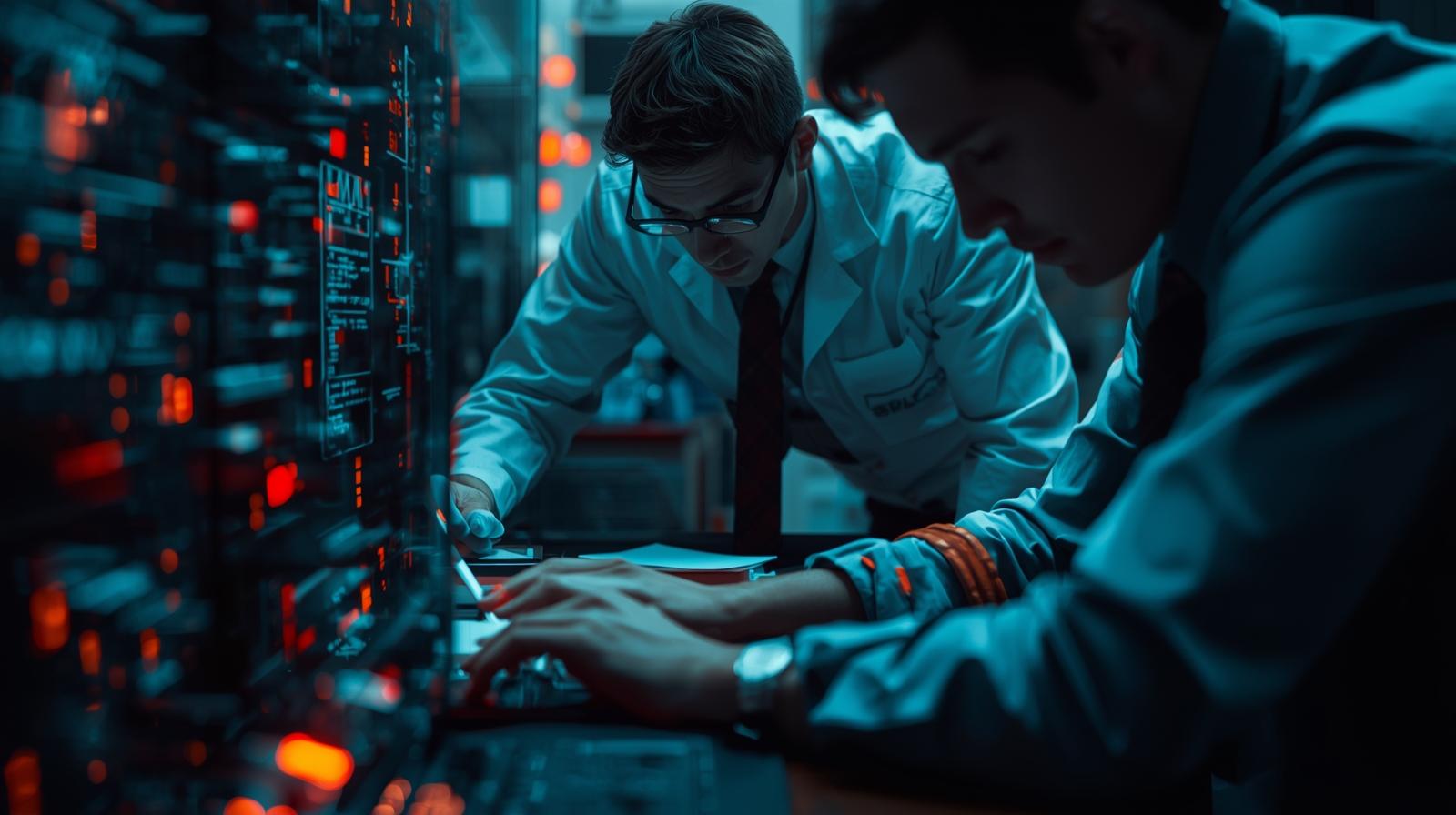
Data breaches can happen to any organization, regardless of size or industry. Each click, login, and email leaves a digital footprint that can reveal how an attack began. I rely on digital forensics services to trace those footprints, recover evidence, and protect sensitive data. Without proper methods, vital evidence may vanish quickly, leaving systems open to repeat attacks and damaging trust.
Through computer forensics services, I close security gaps, restore lost files, and help ensure every investigation meets legal and compliance standards. As each case unfolds, it reveals lessons that strengthen cybersecurity and prevent future threats.
Understanding Digital Forensics Services
Digital forensics services involve identifying, preserving, analyzing, and reporting digital evidence while maintaining its integrity. The goal is to uncover facts that explain what happened and provide evidence that holds up in court. When dealing with ransomware, insider misuse, or unauthorized access, I handle every investigation with precision and care.
For instance, one client experienced a major data breach that exposed thousands of records. With digital forensics tools, I traced the intrusion, pinpointed the attacker’s entry point, and confirmed which files were stolen. As a result, the company improved its defenses and prevented another breach.
Meanwhile, computer forensics services focus on examining computers, servers, and drives. Together, both fields create a powerful approach to uncovering and managing cyber incidents.
Why Digital Forensics Services Are Vital
A breach isn’t just a technical problem; it’s a business crisis. Digital forensics services play a critical role in minimizing financial, legal, and reputational harm. By finding the root cause of an attack, I help organizations recover quickly and restore public trust.
Every digital trace tells part of the story. By analyzing logs, recovering deleted files, and studying unusual activity, I identify whether the threat came from within or outside the company. Consequently, business leaders gain the clarity they need to act with confidence.
In addition, fast response is key. Acting immediately preserves data before it’s lost or overwritten. Swift forensic intervention often means the difference between full recovery and permanent loss.
The Digital Forensics Process
Every successful investigation follows a structured and legally defensible process. This ensures accuracy and reliability from start to finish.
1. Identification
I begin by identifying all devices and data sources that may contain evidence—servers, computers, mobile devices, or cloud systems.
2. Preservation
Next, I make forensic copies of the data to protect the original files. This step is crucial because it ensures the evidence remains intact for analysis or court use.
3. Analysis
Then, I review the data using advanced forensic tools. By examining logs, metadata, and deleted information, I uncover how the incident occurred.
4. Documentation
During the process, I document each action carefully. Consistent records ensure transparency and strengthen the case’s credibility.
5. Reporting
Finally, I compile a detailed report outlining the evidence, findings, and recommended next steps. These insights guide both technical recovery and legal response.
Because every stage is well-documented, organizations can trust that the results are accurate and compliant.
Key Techniques in Digital Forensics
Different cases require specialized methods. In my investigations, I often apply:
-
Log Analysis: Reviewing access logs to identify unauthorized users.
-
File Recovery: Restoring deleted, hidden, or corrupted files from drives.
-
Email Tracing: Following phishing attempts or insider communications.
-
Network Monitoring: Studying traffic patterns to locate data leaks.
-
Malware Analysis: Understanding how malicious code infiltrates systems.
By combining these techniques, I recreate event timelines, find weak spots, and recommend stronger protections for the future. Moreover, continuous refinement of these techniques ensures faster, more reliable results over time.
Role of Computer Forensics Services
While digital forensics services cover a wide range of devices, computer forensics services concentrate on desktops, laptops, and servers. These systems often store the most critical evidence, from deleted documents to encrypted data.
For example, hard drives can still hold remnants of erased files. With imaging tools, I recover this data without altering the original content. As a result, the evidence remains valid and legally admissible.
Furthermore, businesses benefit by using computer forensics to monitor employee compliance, detect internal misuse, and validate policy adherence. This process strengthens accountability and supports secure operations.
Legal and Ethical Responsibilities
Working with sensitive data demands strict legal and ethical discipline. I always maintain a clear chain of custody, tracking each person who handles the evidence. This procedure ensures authenticity and prevents disputes in court.
Moreover, confidentiality is essential. During investigations, I protect personal and corporate data through secure storage and limited access. Every action aligns with privacy regulations and cybersecurity standards.
Transparent communication builds confidence between clients, investigators, and regulators. By offering detailed documentation, I help organizations prove compliance and demonstrate due diligence in handling digital incidents.
Benefits of Professional Digital Forensics Services
Partnering with skilled professionals brings measurable results. Trusted digital forensics services help organizations:
-
Recover essential data after cyber incidents
-
Identify vulnerabilities that caused breaches
-
Meet industry and legal compliance requirements
-
Respond quickly to contain ongoing attacks
-
Strengthen security for long-term protection
In addition, these services improve incident preparedness and promote better risk management. The insights gained from each case often drive major security upgrades and stronger internal controls.
Preventing Future Breaches
Digital forensics does more than solve crimes; it also prevents them. Once an investigation concludes, I help clients apply lessons learned to enhance their defenses. Regular system audits, user training, and access reviews reduce risks and improve readiness.
Proactive monitoring is another key step. Tools that track network behavior can detect suspicious activity early, stopping an attack before it escalates. When combined with computer forensics services, this proactive approach forms a complete defense system.
Ultimately, prevention saves time, money, and reputation. The more prepared a business becomes, the better it can withstand evolving cyber threats.
Conclusion
Digital forensics services bring order to chaos after a cyber incident. I uncover digital evidence, identify root causes, and guide recovery with accuracy and integrity. By following proven forensic methods, I help businesses rebuild trust and reinforce their digital safety.
When combined with computer forensics services, these practices create a complete framework for defense and recovery. Together, they empower organizations to respond effectively, meet compliance goals, and prevent future breaches. In a constantly connected world, trusted forensics services provide lasting stability, accountability, and peace of mind.