
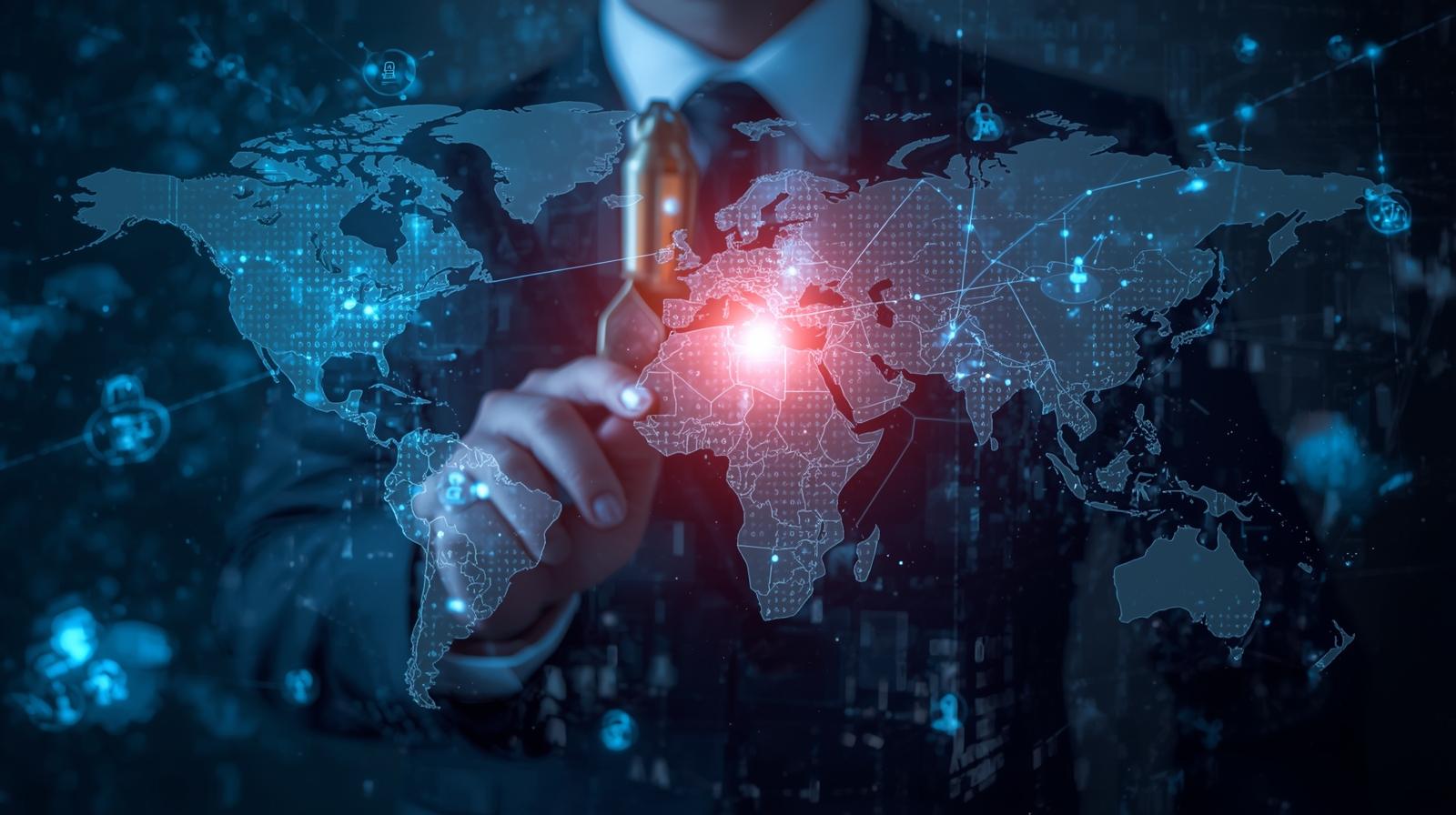
Cybersecurity is no longer just a technical issue; it is a global business concern. Companies in every industry, from healthcare to finance, now rely on digital systems for daily operations. However, with this reliance comes significant risk. Cybersecurity threats continue to grow in complexity, and their impact is being felt by businesses worldwide.
Financial Losses on a Massive Scale
One of the most direct impacts of cybersecurity threats is financial loss. Data breaches, ransomware demands, and downtime during recovery can result in millions of dollars in costs. In fact, the average cost of a single breach has reached record levels. Additionally, businesses face hidden expenses, including forensic investigations, legal fees, and compliance penalties.
Damage to Customer Trust
Cybersecurity threats also harm reputation. When customer data is stolen, trust quickly erodes. Even long-standing clients may choose competitors if they feel their personal information is at risk. Furthermore, rebuilding trust requires time, transparency, and significant investment in security upgrades.
Operational Disruptions
Attacks such as ransomware do more than steal money; they disrupt daily operations. Manufacturing plants halt production, hospitals delay treatments, and retailers lose sales. Because attackers often strike without warning, many companies struggle to maintain continuity during these crises.
Legal and Regulatory Pressure
Governments around the world are responding to rising cybercrime with stricter regulations. Laws like the GDPR in Europe and state-level privacy acts in the U.S. demand that companies protect sensitive data. Therefore, when a breach occurs, organizations face not only financial losses but also legal action and heavy fines.
Cybersecurity Threats Without Borders
Unlike traditional crimes, cyberattacks are not confined by geography. A hacker in one country can target a business halfway across the world in seconds. This global reach makes collaboration between governments, industries, and cybersecurity experts essential. Moreover, businesses must recognize that local defenses are no longer enough; they need global awareness.
The Rise of Advanced Threats
Modern cybercriminals now use artificial intelligence, machine learning, and automation to increase their success rates. These tools allow them to launch more attacks in less time, often bypassing traditional security measures. As a result, businesses worldwide must adopt equally advanced defense strategies to keep pace.
Building Stronger Defenses
The impact of cybersecurity threats is serious, but prevention is possible. Companies can take practical steps to reduce risk:
-
Invest in employee training to spot phishing attempts.
-
Use multi-factor authentication to block unauthorized access.
-
Encrypt sensitive data so stolen information becomes useless.
-
Create a detailed incident response plan to act quickly when threats arise.
In addition, businesses should regularly update software, audit systems, and monitor networks for unusual activity. These small but consistent actions make it harder for attackers to succeed.
The Road Ahead
Cybersecurity threats will continue to evolve, and their global impact will not disappear. Yet businesses that act now can protect themselves and their customers. By combining strong technology, smart policies, and employee awareness, organizations build resilience against cybercrime.
Ultimately, cybersecurity is no longer optional; it is a business necessity. Those who prioritize it will not only survive but also thrive in an increasingly digital world.